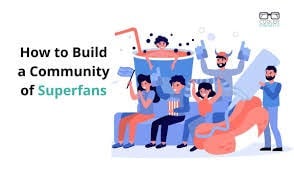
Most organizers think they are selling tickets. In reality, they are selling belonging.
People don’t return to events because of schedules or posters. They return because they felt seen, included, and part of something bigger than themselves. This is the difference between having attendees and building superfans.
In today’s creator economy, community is no longer a “nice-to-have.” It is the real product.
Events Are Emotional, Not Transactional
A good event is entertaining. A great event is emotionally memorable.
When people attend the same event multiple times, it’s rarely because the content is completely new each time. It’s because:
They recognize familiar faces
They feel socially connected
They associate the event with a part of their identity
This is fandom psychology. The same force that drives people to follow artists, brands, and sports teams now applies to live experiences.
People don’t just attend events. They belong to them.
Why Exclusive Events Create Superfans
Exclusivity isn’t about luxury. It’s about access and recognition.
Small, members-only events, early access nights, or invite-only sessions make people feel like insiders. That feeling of being “in” triggers loyalty far more effectively than discounts or giveaways.
A creator who runs public workshops might host a quarterly closed-door session for returning attendees. Nothing fancy. Just deeper conversations, smaller groups, and shared history.
Those people become:
First buyers for future events
Organic promoters
Community leaders inside the group
The event becomes more than a product. It becomes a social identity.
How Online Communities Amplify Offline Experiences
Most successful event communities today live in both worlds: offline for emotional bonding, online for continuity.
Discord, Telegram, and private groups allow:
Attendees to stay connected between events
Organizers to test ideas and formats
Communities to form without constant selling
The online space keeps the energy alive. The offline event deepens it.
Together, they create a feedback loop: Community drives attendance. Attendance strengthens community.
The Psychology of Loyalty in Events
Loyalty isn’t built through rewards programs alone. It’s built through:
Repetition
Recognition
Shared memory
When people feel recognized — by name, by role, by presence — they become emotionally invested. They stop asking “Is this worth my money?” and start asking “When is the next one?”
At that point, the event is no longer competing on price or marketing. It’s competing on identity.
Where Systems Like Experia Fit In (Quietly)
Community-driven events only work if organizers understand their audience over time:
Who returns
Who engages
Who becomes core members
This is where platforms like Ticketnation, evolving into Experia, become more than tools. They act as memory systems for communities — tracking relationships, not just transactions.
Not to automate fandom. But to support it without breaking it.
Final Thought: The Real Metric Is Not Attendance
The real metric is not how many people show up once.
It’s how many people:
Come back without being convinced
Bring friends
Feel emotionally attached to the experience
That’s fandom. And fandom is the strongest business model in the experience economy.
Events that build community don’t need to chase audiences. They become places people want to belong to.
And in the long run, belonging beats marketing every time.