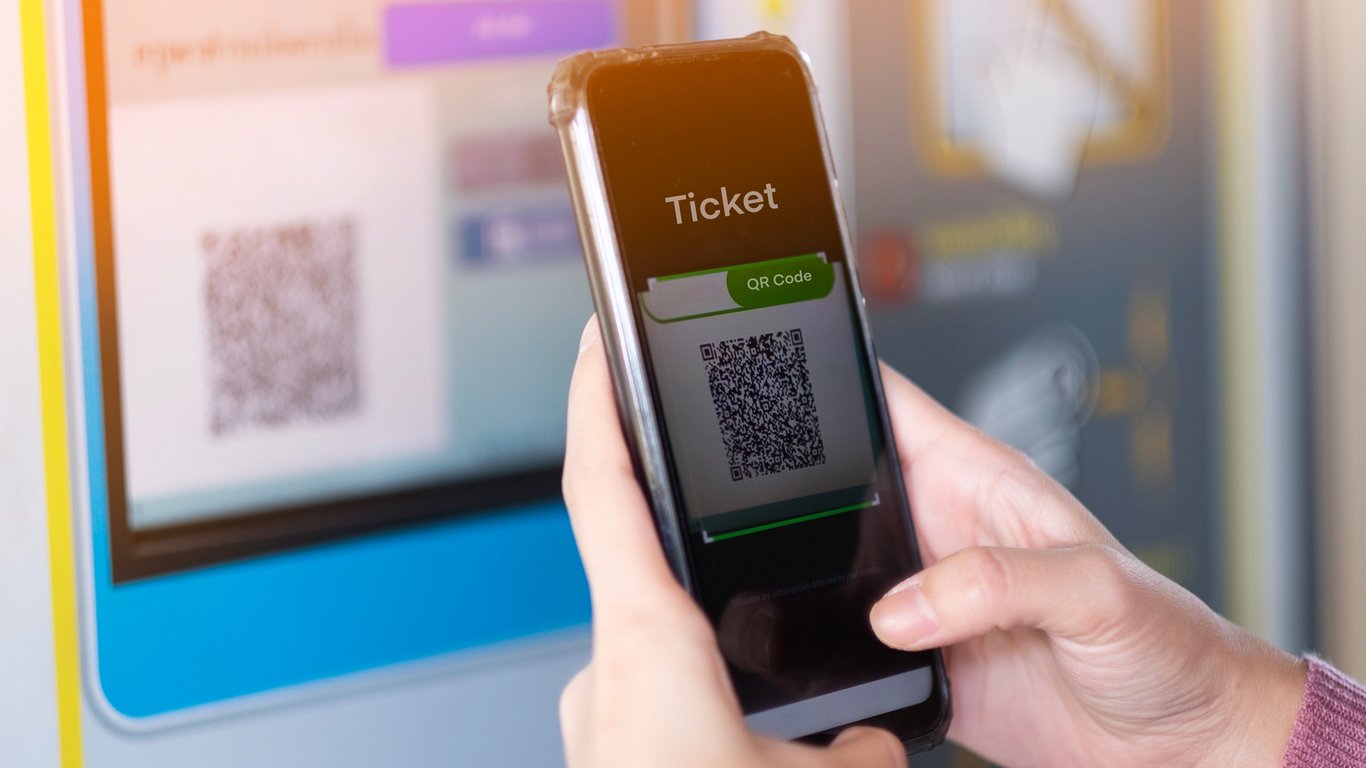
A great lineup can attract attention. A smart ticketing strategy is what actually converts interest into attendance — and revenue.
As events become more competitive and audiences more price-aware, ticketing is no longer just about setting a price and hoping for the best. It’s about timing, structure, and trust.
Here are the ticketing strategies and trends organizers should actually be paying attention to.
The Rise of Dynamic Pricing (and Why It Works)
Dynamic pricing adjusts ticket prices based on demand, timing, or availability. Airlines and hotels have used it for years — and events are starting to catch up.
Why it works:
Early buyers feel rewarded
Late buyers pay for urgency
Prices reflect real demand, not guesses
When to use it:
Multi-day festivals
High-demand shows
Events with long sales windows
Dynamic pricing isn’t about overcharging — it’s about matching value to demand.
How Early Bird Pricing Drives Attendance
Early bird tickets aren’t just discounts. They’re psychological triggers.
When people see limited, time-bound pricing, they’re more likely to commit early — reducing uncertainty for organizers.
What early bird pricing does well:
Builds early momentum
Improves cash flow
Signals demand to sponsors and partners
Best practice: Keep early bird quantities limited and clearly communicated. If everyone gets a discount, it stops feeling special.
VIP Tiers: More Than Just Better Seats
VIP tickets aren’t about exclusivity for its own sake. They’re about convenience and experience.
Common mistake:
Charging more without adding real value
What actually works:
Faster entry or separate check-in
Better viewing or seating
Access to lounges, meet-and-greets, or exclusive content
When done right, VIP tiers increase revenue without increasing attendance.
Preventing Ticket Fraud in Emerging Markets
Ticket fraud damages trust — sometimes permanently. In emerging markets, this risk is even higher due to reselling, screenshots, and fake confirmations.
Common fraud issues:
Duplicate QR codes
Screenshot-based tickets
Fake confirmation messages
How organizers can reduce risk:
Use real-time QR validation
Limit offline ticket sharing
Educate attendees on official purchase channels
Trust is part of the product. Once it’s broken, people hesitate to return.
The Bigger Picture: Ticketing as Experience Design
Ticketing is often the first interaction someone has with your event. If it’s confusing, slow, or unreliable, that friction carries into the event itself.
Smart ticketing:
Reduces uncertainty
Builds confidence
Improves show-up rates
It’s not just a transaction — it’s part of the experience.
Final Thought
Great events don’t just sell tickets. They guide people from interest to attendance with clarity and intention.
Your pricing, tiers, and systems tell people how seriously you take your event — before they ever walk through the door.